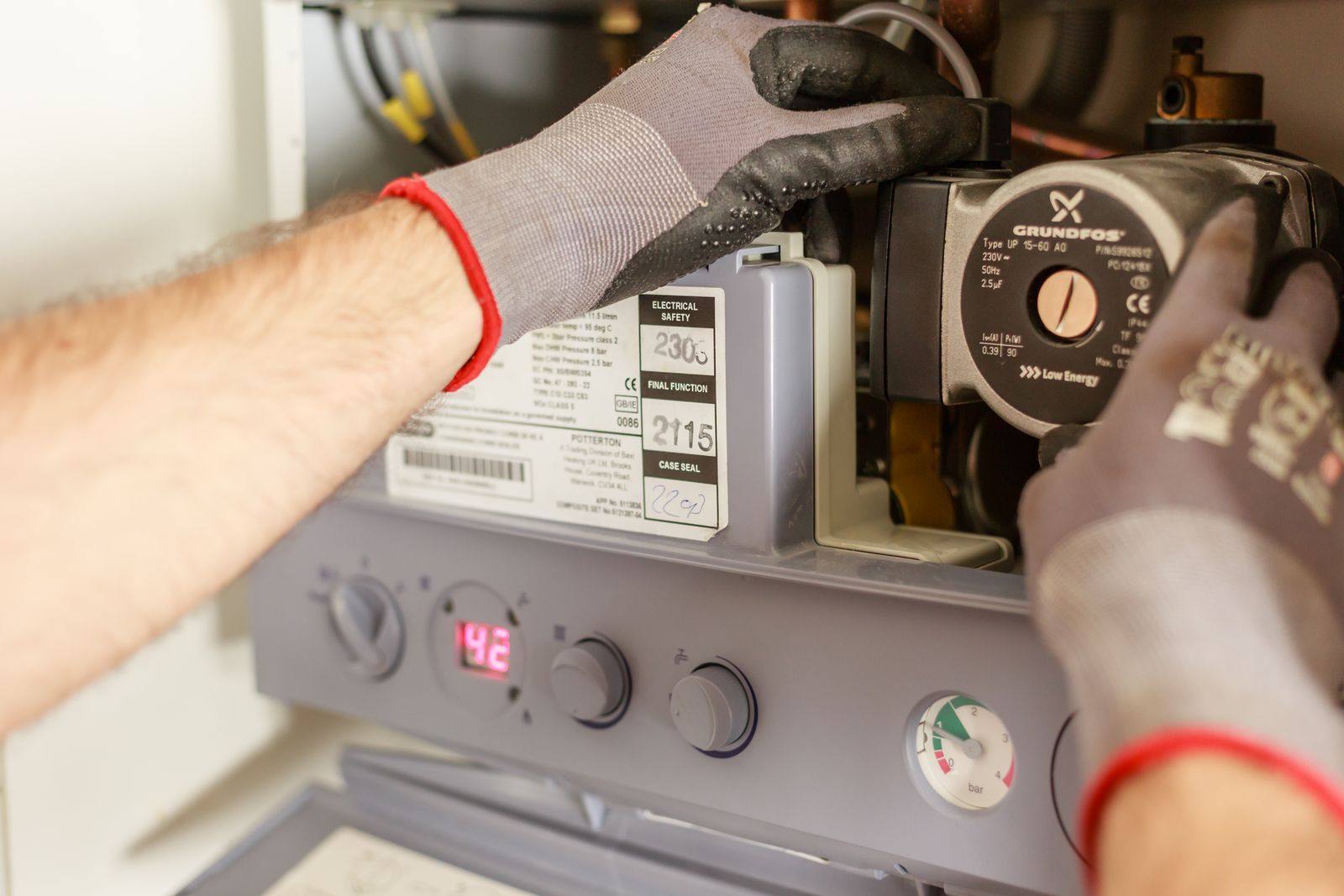
Water heater maintenance in Fort Lauderdale
Most water heaters fail slowly, not suddenly. Sediment builds up year by year, the anode rod wears away, and a small leak at a fitting goes unnoticed until the tank rusts through. Maintenance is the unglamorous work that stops that slow decline — and in Fort Lauderdale, where the water leaves mineral deposits behind, it matters more than in soft-water cities.
What annual maintenance covers
- - Flushing the tank. Draining a few gallons — or the whole tank — removes sediment that has settled at the bottom. Sediment insulates the water from the burner or element, so a heater with a thick sediment layer works harder, heats slower, and makes the rumbling and popping noises homeowners describe.
- - Checking the anode rod. The anode rod is a sacrificial metal rod inside the tank that corrodes so the tank does not. Once it is gone, the tank starts rusting. A provider checks the rod's condition and replaces it when it is worn — a far cheaper job than replacing a tank.
- - Testing the relief valve. The temperature-and-pressure relief valve is the heater's safety device. It should be tested to make sure it opens and closes properly; a valve that is stuck shut is dangerous, and one that drips constantly needs attention.
- - Inspecting connections and venting. Fittings, the gas or electric connections, the vent or flue, and the area around the heater are checked for corrosion, leaks, and damage. South Florida's water comes from the limestone Biscayne aquifer, and it is hard water.
- - Checking the thermostat and settings. A thermostat set too high wastes energy and increases scalding risk; too low, and the water may not be hot enough for the household. The usual recommended setting is around 120°F.
Tankless maintenance is different
A tankless unit has no tank to flush, but it has a heat exchanger that collects scale. Annual descaling — flushing the unit with a descaling solution through isolation valves — is the main maintenance item, and in Fort Lauderdale it should be done every year. The inlet filter should be cleaned, the igniter and flame sensor checked, and the venting inspected. A tankless unit that is never descaled loses efficiency, throws error codes, and can fail years early.
How often, and when
Once a year is the usual schedule for both tank and tankless heaters in Fort Lauderdale. The best time is before the season that stresses the heater most — before winter for a heater in a garage or unheated space, or at any point in the year for a unit that has never been serviced. A heater that has gone years without maintenance should be inspected before it is flushed: a very old tank with heavy sediment can be damaged by an aggressive flush, and a provider can judge whether a gentle flush or a replacement is the safer call.
Housing across the three counties spans mid-century single-family homes in Fort Lauderdale, high-rise condos along the beach and in downtown Miami, and newer subdivisions in western Broward and Palm Beach. Condo heaters are often smaller electric units in tight closets, while single-family homes more often have a gas or electric tank in the garage. Storm season adds another factor: power outages and flooding can leave a heater sitting in water or without power, and a unit that has been flooded should be inspected before it is used again.
What maintenance costs
Maintenance visits are among the cheapest water heater jobs — typically far less than a repair, and a fraction of a replacement. The exact price depends on the heater type and what is found. Any figure on this site is general guidance, not a quote — the provider who responds to your request gives the actual price.
Frequently Asked Questions
How often should I flush my water heater?
Once a year in Fort Lauderdale. Homes with very hard water may benefit from flushing more often; homes with a water softener may go longer. The provider who services your heater can advise based on what comes out of it.
How do I know if my anode rod needs replacing?
You usually cannot tell without looking — the rod is inside the tank. A provider checks it during maintenance. As a rule of thumb, a rod in a hard-water area may last only a few years, while in soft water it can last much longer.
Can I flush my water heater myself?
A homeowner can drain a tank heater with care, following the manufacturer's instructions, but there are risks: scalding water, a drain valve that will not close again, and damage to a very old tank. If you are unsure, have a provider do it — it is a short job for someone who does it every day.
Does maintenance really extend a heater's life?
Yes. Sediment and a worn anode rod are the two main reasons tanks fail early, and both are maintenance items. A heater that is flushed annually and has its rod replaced when needed commonly outlasts one that is ignored by several years.